Industrial General Liability for industrial contractors
Specialty general liability underwritten for industrial facility environments — refinery, chemical plant, oil & gas, pipeline, and manufacturing — covering the hazards and endorsements that standard commercial GL was never built for.
What it covers
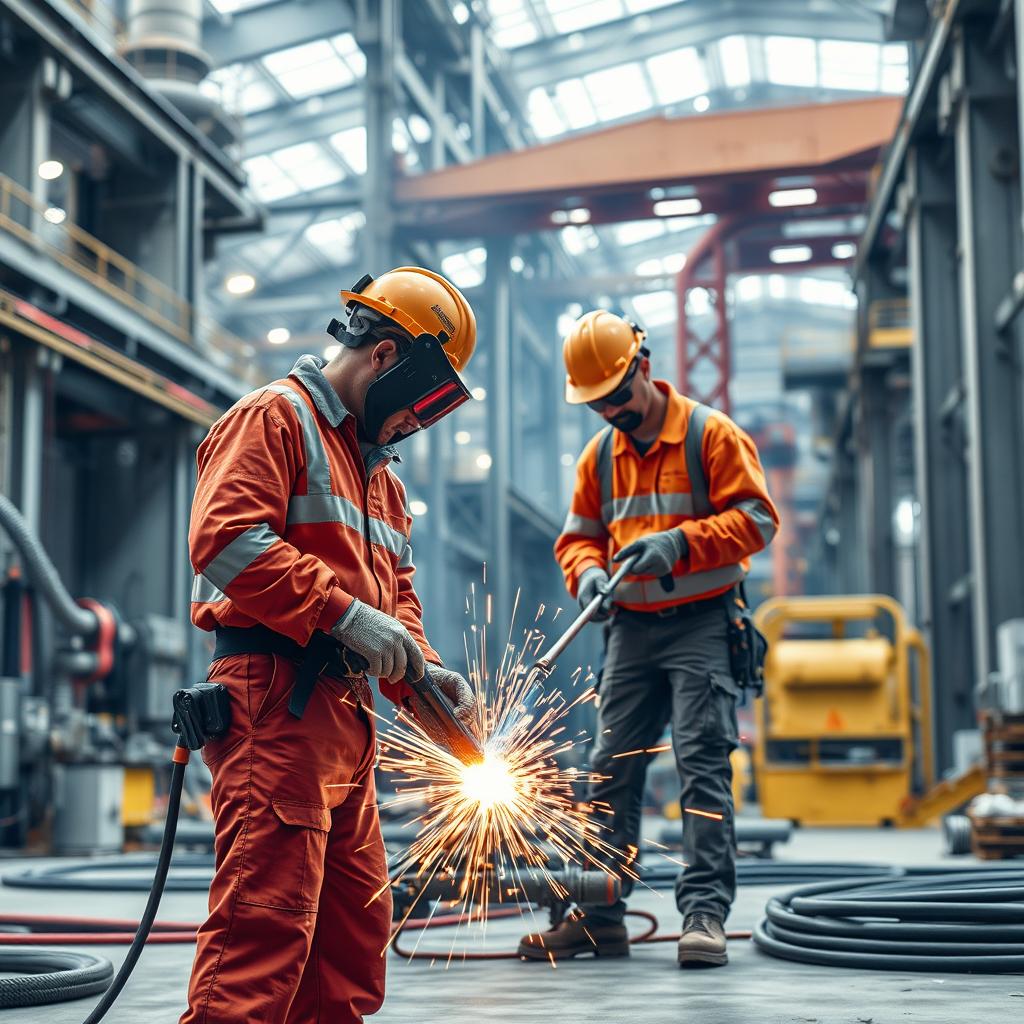
- Hot work (welding, cutting, torching) inside industrial facilities
- LOTO (lockout/tagout) incident coverage
- Confined space operations within plants and vessels
- Chemical and petroleum facility site-specific GL
- Industrial equipment installation and maintenance liability
- Explosion, fire, and collapse (XCU) coverage where standard GL excludes it
Who it's for
- Contractors working inside operating refineries and petrochemical plants
- Pipeline and piping contractors at active industrial facilities
- Mechanical and millwright contractors in chemical and manufacturing plants
- Any contractor whose standard GL has been questioned or excluded by a facility owner
Why CCA
- Industrial GL underwritten for the actual hazards — not a generic extension
- Specialty markets with industrial facility underwriting experience
- Certificate compliance for the most demanding plant-owner requirements
Common questions about industrial general liability
Industrial GL is specifically endorsed and underwritten for the hazards of plant and facility work — hot work, LOTO, confined space, chemical exposure, and the pollution events that are common in industrial environments. It provides coverage and endorsements that standard commercial GL either excludes or doesn't contemplate.
Standard GL policies typically exclude explosion, underground, and collapse coverage — especially for blasting or demolition. Industrial GL can provide XCU coverage where it's needed for industrial site work.
Most industrial plant owners require specific endorsements and language on GL certificates that standard commercial policies don't include. Industrial GL is written to meet those requirements — not ask facility owners to accept generic forms.
Yes. Industrial GL specifically addresses the high-exposure environment of an active or partially operating plant during maintenance and turnaround projects — including the heightened hazards of working around operating equipment and stored chemicals.
With the right industrial GL form, yes. Hot work — welding, cutting, torching, and grinding — is one of the most common fire causes in industrial facilities and requires specific coverage. We confirm hot work is addressed in the policy rather than excluded.
Cost depends on the type of industrial work, payroll, OSHA classification, tools and equipment value, and loss history. We quote your actual operation in about 15 minutes — never a generic estimate.
Yes. Contractors Choice Agency is licensed in all 50 states and writes industrial contractor programs for firms whether your crews work in Texas, Louisiana, Ohio, California, or anywhere in the country.
Typically 15 minutes on a call. More complex industrial programs may take a day or two to place with the right specialty markets, but we move fast and set expectations up front.
Often yes. We have admitted and E&S markets for industrial contractors declined over OSHA history, high-hazard classifications, or prior industrial loss runs. Bring us your situation and we'll find a market.
Usually yes. A coordinated program closes gaps between GL, workers' comp, CPL, and auto — and is typically cheaper and cleaner than separate policies from separate carriers.
A.M. Best ratings reflect a carrier's financial strength. We place coverage with A-rated carriers so the coverage is there when a plant injury, a pollution claim, or a major equipment loss hits.
Yes. These are our primary markets. We specialize in the specialty GL, CPL, and high-hazard workers' comp required for refinery, chemical plant, and pipeline contractor work.
Industrial workers are classified into specific codes — crane operators, ironworkers, riggers, pipefitters, millwrights, plant maintenance mechanics. Each carries a different rate reflecting that trade's injury history. Correct codes are critical for accurate premium and coverage.
Types of work performed, facility types (refinery, chemical plant, pipeline), crew size and payroll, OSHA classification history, tools and equipment value, revenue breakdown, current coverage, and 5 years of loss history. More detail means a more accurate quote.
Yes. Contractors Pollution Liability covers pollution incidents during your operations — chemical spills, fuel releases, fume and dust events, and other pollution events that standard GL excludes.
With a tools and equipment policy, yes. Standard property coverage often excludes portable equipment off premises. Tools and equipment insurance covers your equipment — on job sites, in transit, and in storage.
We add waiver of subrogation endorsements to your GL and workers' comp as required by the facility owner. This is a standard requirement in industrial contractor certificates and we structure your policy to accommodate it.
Yes. If your crews work at multiple facilities, we build one coordinated program covering all locations with no gaps between sites — and producing the certificates each facility owner requires.
Yes. Turnarounds and shutdowns are high-exposure periods with large crews in concentrated spaces. We structure programs that reflect turnaround payroll and the specific hazards of intensive industrial maintenance work.
Pair it with related coverage
Ready to protect your industrial contracting firm?
Get a 15-minute quote from specialists who understand industrial contractor hazards — refinery GL, plant maintenance workers' comp, CPL, and high-limit umbrella.