Contractors Pollution Liability: What It Is and Why Industrial Contractors Need It
By Josh Cotner
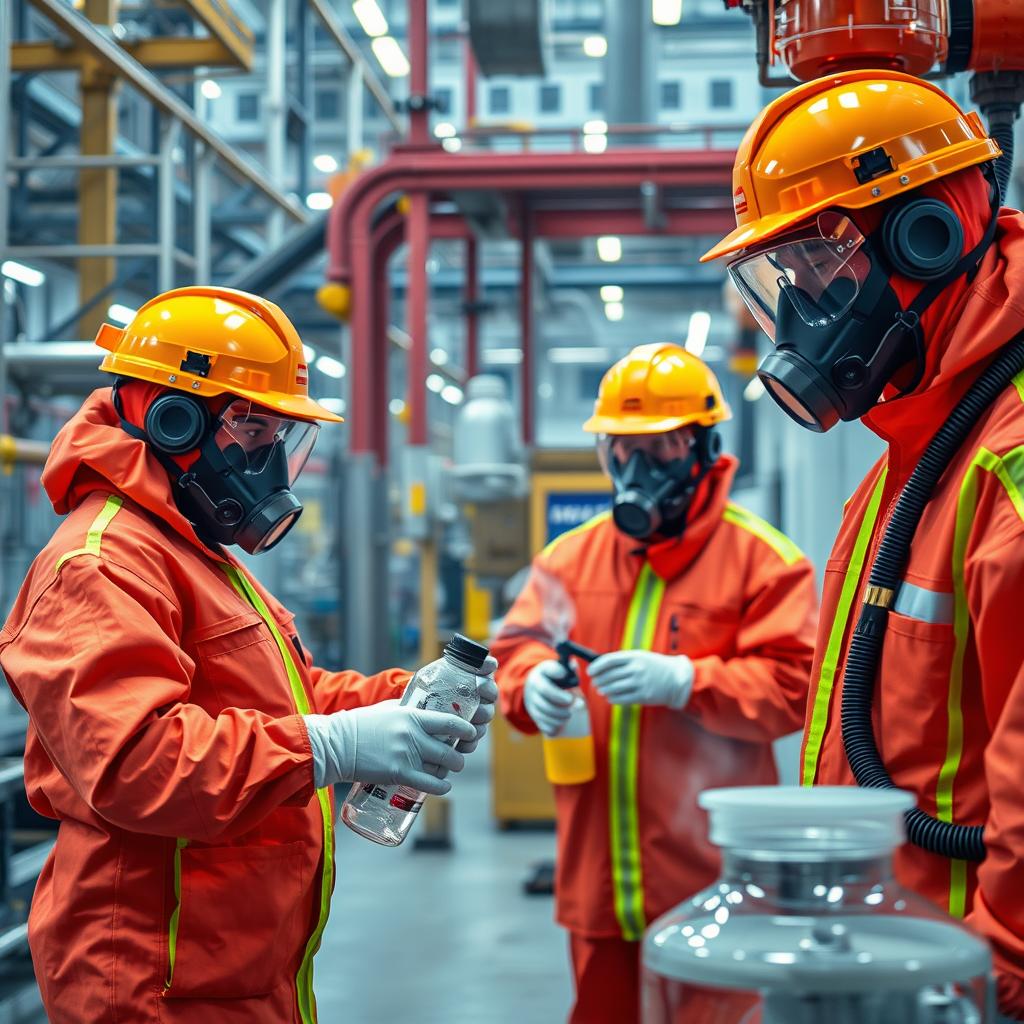
Every standard commercial GL policy has a pollution exclusion. For most businesses, it's a minor concern — for industrial contractors, it's the gap that matters most.
Contractors Pollution Liability (CPL) exists specifically to cover the pollution-related exposures that standard GL excludes. If you're working at refineries, chemical plants, pipeline facilities, or manufacturing sites, CPL isn't a nice-to-have — it's the policy that covers what actually happens in industrial environments.
What the Pollution Exclusion Actually Removes
Standard GL policies contain either an absolute pollution exclusion or a qualified pollution exclusion. Both remove coverage for the discharge, release, or escape of pollutants from contractor operations.
"Pollutants" under a standard policy typically includes any solid, liquid, gaseous, or thermal irritant or contaminant — which in practice covers nearly everything in an industrial environment: petroleum products, industrial chemicals, process gases, solvents, paints, acids, and many other substances.
The exclusion typically applies to:
- Third-party bodily injury from pollutant exposure
- Property damage caused by pollutant release
- Environmental cleanup costs
- Regulatory compliance and response costs
For an industrial contractor, a chemical spill that injures bystanders, a fuel release that contaminates adjacent equipment, or a process gas event that requires a facility evacuation — none of these are covered under standard GL.
What CPL Covers
Contractors Pollution Liability covers the third-party pollution exposure that standard GL removes. A well-structured CPL policy covers:
Third-party bodily injury — People injured by exposure to pollutants during your operations. Plant employees who aren't your workers, facility visitors, or neighboring workers exposed to a release from your activities.
Third-party property damage — Equipment, facilities, or real property damaged by a pollutant release from your operations. Contaminated soil and groundwater from a fuel spill, for example.
Cleanup and remediation costs — The actual cost to clean up a pollution release — often the largest single expense in a pollution incident. Without CPL, these costs fall entirely on you.
Defense costs — Legal defense against pollution claims and regulatory actions. Environmental claims are frequently the subject of regulatory investigation and litigation well before any final judgment.
Transportation pollution — If you're hauling hazardous materials, CPL can include coverage for pollution events during transport, not just at the job site.
Sudden vs. Gradual Pollution
CPL policies differ in how they handle the timing of pollution events.
Sudden and accidental CPL covers pollution events that are unexpected and happen over a short timeframe — a chemical tank rupture, an accidental spill during transfer operations, a hose failure on a petroleum line.
Non-sudden (gradual) CPL covers pollution that develops over time — slow leaks, gradual soil contamination, accumulation of pollutants from ongoing operations.
For industrial contractors, the right form depends on the type of work. Pipeline and petroleum contractors often have both sudden and gradual exposure. Welding and maintenance contractors may have primarily sudden exposure from spill events. We confirm the right form for your specific work before binding.
What CPL Doesn't Cover
CPL covers third-party claims. It doesn't replace:
- Workers' comp for your employees injured by pollutant exposure — that's a workers' comp claim, not a CPL claim.
- Your own property — CPL covers damage to others' property, not your own equipment or materials.
- Intentional releases — No liability insurance covers intentional pollution acts.
What Industrial Plant Owners Require
Most industrial plant owners and energy companies now require CPL on contractor certificates — in addition to GL and workers' comp. Common requirements:
- $1M per occurrence / $2M aggregate CPL minimum
- Named additional insured for the facility owner
- 30-day notice of cancellation
- Primary and noncontributory status
If you've been in industrial work and never had CPL, you may have been operating outside your plant owner's certificate requirements — sometimes without anyone catching it until a claim arises.
How CPL Works With Your GL
GL and CPL are designed to coordinate, not overlap. GL responds to non-pollution bodily injury and property damage. CPL responds to the pollution-specific claims. Together, they close the gap in your liability coverage.
If you have GL but not CPL, your GL exclusion means that a significant category of industrial site claims — the ones most likely to arise from your work — have no coverage at all.
Getting CPL as an Industrial Contractor
CPL for industrial contractors comes from specialty markets — standard commercial insurers don't typically write it, or write it in a limited form that doesn't cover industrial facility work adequately.
At Contractors Choice Agency, we work with CPL markets that understand refinery, chemical plant, and pipeline contractor operations. We structure CPL policies with the correct form (sudden, gradual, or both), appropriate limits, and the endorsements plant owners require.
Call 844-967-5247 or get a quote in 15 minutes. If you don't have CPL, let's find out exactly what gap you're carrying.
Need this coverage for your industrial contracting firm?
Get a real quote in about 15 minutes — we shop A-rated specialty industrial markets.